
Compare Local Contractors for Lead Detection Services Effectively
Compare local contractors for lead detection to define project scope, verify experience, and set clear expectations in writing for a successful job.
Lead detection contractors typically handle services related to identifying and locating sources of unwanted or hazardous substances within a property. This can include inspecting for lead-based paint, testing for lead in soil or water, and assessing potential lead exposure risks. The scope of work may vary depending on whether the focus is on residential buildings, commercial properties, or renovation projects. Clear communication about what specific services are needed helps ensure that contractors understand the extent of the work and can recommend appropriate testing methods and solutions.
Defining the scope of lead detection work is essential to establishing realistic expectations and avoiding misunderstandings. A well-detailed scope outlines the areas to be tested, the types of testing methods to be used, and the desired outcomes. It also helps property owners determine whether additional steps, such as remediation or abatement, might be necessary after detection. Documenting these details in writing creates a record that can be referenced throughout the project, fostering transparency and accountability between property owners and service providers.
When comparing local contractors for lead detection, property owners should consider their experience with similar projects and the range of services offered. Verifying that contractors have a solid understanding of local regulations and standards can ensure the work meets necessary guidelines. It’s also helpful to review the scope of work provided by each contractor, ensuring it aligns with the property’s specific needs. By asking questions about their process, credentials, and approach, property owners can make informed decisions and select service providers who are best suited to handle the job effectively.
Compare local contractors by outlining your priorities, verifying experience, and establishing clear scope and expectations.
- Compare Service Providers - Review multiple local contractors to identify the best options for lead detection services.
- Define Project Scope - Clearly outline the specific lead detection needs and expectations before engaging with contractors.
- Verify Experience and Expertise - Assess the background and track record of local contractors to ensure they can handle the required work.
- Set Expectations in Writing - Document all project details, scope, and deliverables to establish clear understanding with chosen service providers.

Before comparing contractors for lead detection, clearly describe your project scope and verify their experience in writing.
- Verify experience in lead detection specific to the type of property or environment. - Assess whether the service providers have relevant background handling similar lead issues.
- Define the scope of work clearly in writing before hiring a contractor. - Ensure expectations are documented to prevent misunderstandings about the lead detection process.
- Check references or reviews related to lead detection projects completed by the contractor. - Look for feedback on their accuracy and thoroughness in identifying lead hazards.
- Confirm that the contractor uses appropriate tools and methods for lead detection. - Understand the techniques employed to ensure reliable and accurate results.
- Discuss the inspection process and what areas will be examined with the service provider. - Clarify the extent of the inspection to ensure all potential lead sources are considered.
- Ensure that a detailed report of findings is provided in writing after the inspection. - Review the documentation to understand the identified lead hazards and recommended next steps.
Compare local contractors' experience and clarify project scope to ensure effective lead detection solutions.

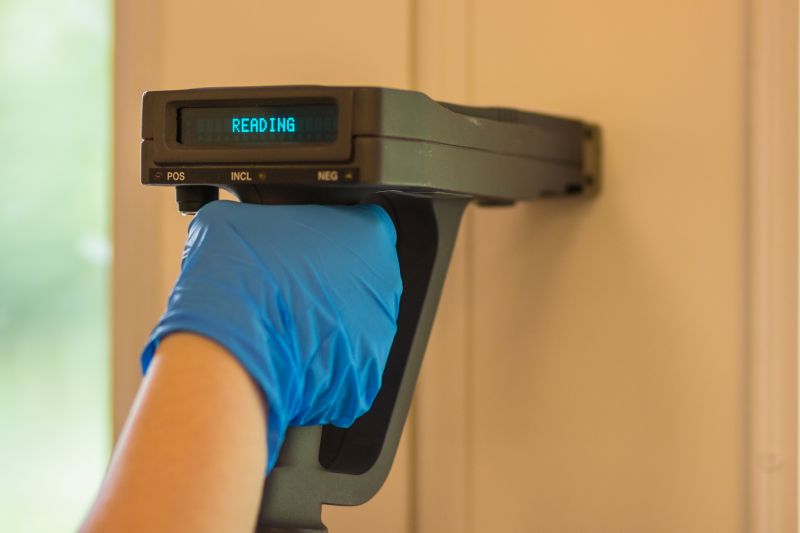
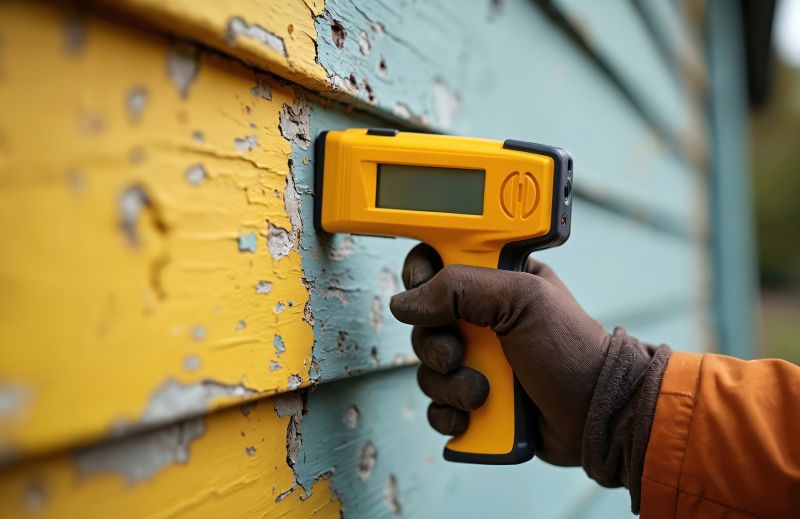
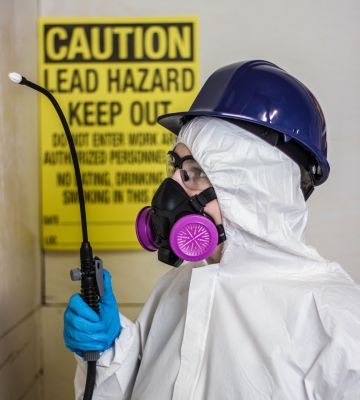
Learn how to compare local contractors for lead detection by defining scope, verifying experience, and setting clear expectations.
- Define Lead Detection Needs - specify the types of leads to be identified and the criteria for qualifying potential clients.
- Identify Relevant Service Areas - determine the geographic regions where local contractors should focus their lead detection efforts.
- Establish Lead Qualification Parameters - set clear standards for what constitutes a valid lead, including information to gather and initial screening criteria.
- Determine Data Collection Methods - outline how lead information will be gathered, recorded, and verified by local service providers.
- Set Expectations for Lead Quality - clarify the level of detail and accuracy required in lead information to ensure effective follow-up by local contractors.
When evaluating contractors for lead detection, it’s important to consider their experience with similar projects. Homeowners should inquire about the types of properties and environments the service providers have worked on in the past. A contractor with a proven track record in lead detection within residential settings comparable to the home in question can offer insights into their familiarity with common challenges and effective methods. This background helps ensure that the chosen service provider has relevant hands-on experience, which can contribute to a more thorough and accurate assessment.
A clear, written scope of work is essential when comparing lead detection contractors. Homeowners should seek detailed descriptions of the procedures, tools, and areas that will be examined during the inspection. A well-defined scope helps prevent misunderstandings and sets realistic expectations about what the lead detection process will include. Service providers who can articulate their approach in writing demonstrate professionalism and transparency, making it easier for homeowners to understand what will be done and to compare different options objectively.
Verification of a contractor’s basic qualifications involves understanding their methods for ensuring accurate results. While formal licensing or certification are not the focus here, homeowners can ask about the types of equipment used and the standards followed during inspection. Reliable lead detection relies on appropriate testing techniques and proper calibration of tools. Service providers who can explain their verification practices-such as quality control measures or adherence to recognized testing protocols-provide a level of confidence that the inspection results will be trustworthy.
Evaluating options without discussing prices involves focusing on the contractor’s experience, scope of work, and verification methods. Homeowners should consider how well each service provider’s expertise aligns with the specific needs of the project, how clearly they communicate their process, and whether their approach includes appropriate quality checks. Comparing these factors helps in selecting a contractor who can deliver thorough and reliable lead detection services. Remember, the goal is to find a professional who can effectively assess the property, with clear expectations set in writing, rather than simply choosing based on cost.
Ask contractors to provide written scope details to ensure clear, consistent understanding of the lead detection project.
- Experience and Expertise - What level of experience do the local contractors have with lead detection projects?
- Scope of Services - How do the contractors define and outline the specific tasks included in the lead detection service?
- Comparison Criteria - What criteria should be used to compare different contractors’ approaches and methods for lead detection?
- Verification of Capabilities - How can it be verified that the local service providers have the necessary skills and tools for accurate lead detection?
- Scope Clarity - Are the project expectations and deliverables clearly documented in the scope of work provided by each contractor?
How can I find qualified contractors for lead detection? To find qualified service providers, compare local contractors based on their experience, expertise, and reputation. Reviewing their previous work and verifying their credentials can help ensure they meet your needs.
What should I consider when defining the scope of a lead detection project? Clearly outline the areas to be tested and the types of lead hazards you want addressed. Communicating your expectations in writing helps ensure the contractor understands the project requirements.
How do I verify a contractor’s experience in lead detection? Ask potential contractors about their previous projects and request references or case studies. Confirm that they have relevant experience working with lead detection in similar environments.
What are some key questions to ask contractors during the selection process? Inquire about their methods, tools, and approaches to lead detection. Clarify their process for reporting findings and how they ensure thorough testing and compliance with standards.
Why is it important to get a written agreement with a contractor? A written agreement helps define the scope, expectations, and responsibilities clearly, reducing misunderstandings and ensuring both parties are aligned on the project details.
How can I compare different lead detection service providers effectively? Evaluate their experience, scope of services, communication clarity, and reputation. Gathering multiple proposals and asking detailed questions can assist in making an informed decision.
Understanding the importance of selecting the right contractors for lead detection is key to ensuring your project meets your expectations. By learning how to compare local service providers, define the scope of work clearly, verify their experience, and set expectations in writing, you can make informed decisions that align with your needs. This approach helps streamline the process and fosters clear communication with potential contractors.
Taking the time to explore and compare local contractors for lead detection can lead to more confident choices. Use the quote form to connect with qualified service providers in your area, and discover options that match your project requirements. Comparing local options ensures you find the right professionals to handle the job effectively.